Our vision
Namo Tassa Bhagavato Arahato Sammā Sambuddhassa✦Anekajātisaṃsāraṃ sandhāvissaṃ anibbisaṃ gahakāraṃ gavesanto dukkhā jāti punappunaṃ. Gahakāraka diṭṭho'si puna gehaṃ na kāhasi; sabbā te phāsukā bhaggā, gahakūṭaṃ visaṅkhataṃ; visaṅkhāragataṃ cittaṃ taṇhānaṃ khayamajjhagā. (The Dhammapada, verses 153–154)✦Vandāmi cetiyaṃ sabbaṃ, sabbaṭṭhānesu patiṭṭhitaṃ. Ye ca dantā atītā ca, ye ca dantā anāgatā, paccuppannā ca ye dantā, sabbe vandāmi te ahaṃ.✦ဝန္ဒာမိ ဘန္တေ သဗ္ဗံ အပရာဓံ ခမထ မေ ဘန္တေ။ မယှာ ကတံ ပုညံ သာမိနာ အနုမောဒိတဗ္ဗံ၊ သာမိနာ ကတံ ပုညံ မယှံ ဒါတဗ္ဗံ။ သာဓု သာဓု အနုမောဒါမိ၊ ဝန္ဒာမိ ဘန္တေ။✦Namo Buddhassa. Namo Dhammassa. Namo Sanghassa. Namo Matapitussa. Namo Acariyassa.✦ဝန္ဒာမိ စေတိယံ သဗ္ဗံ၊ သဗ္ဗဋ္ဌာနေသု ပတိဋ္ဌိတံ။ ယေ စ ဒန္တာ အတီတာ စ၊ ယေ စ ဒန္တာ အနာဂတာ၊ ပစ္စုပ္ပန္နာ စ ယေ ဒန္တာ၊ သဗ္ဗေ ဝန္ဒာမိ တေ အဟံ။
If you accept guardianship of a sacred object, you accept a duty of truthful record-keeping about its fate.•သာဓိကာရ ပဋိဝေဒနာ © ၂၀၂၁ ဘိက္ခု ဓမ္မသမိ (ဣန္ဒသောမ) သိရိဒန္တမဟာပါလက-ကာယာလယ။ သဗ္ဗေ အဓိကာရာ ရက္ခိတာ။ ဣဒံ သာသနံ တဿ အတ္ထဉ္စ အာယသ္မတော ဓမ္မသာမိဿ ဉာဏသမ္ပတ္တိ ဟောန္တိ၊ ယေန ကေနစိ ပုဗ္ဗာနုညာတံ လိခိတ-အနုမတိံ ဝိနာ န ပုန-ပ္ပကာသေတဗ္ဗံ န ဝိတ္ထာရေတဗ္ဗံ ဝါ။
A private museum • learning institution • Yangon, Myanmar
Preserving the sacred.
Transforming learning.
An independent Theravāda custodial, research and educational institution working across sacred-relic preservation, Vipassanā learning, teacher education, curriculum design, educational transformation and responsible publication—for the welfare and happiness of the many.
01PreservationSacred heritage, carefully held
02ResearchEvidence before conclusion
03VipassanāPractice supported with clarity
04Teacher EducationTrainers prepared to serve
05Curriculum & M&ELearning designed and evaluated
06PublicationsKnowledge responsibly shared
07Heritage EducationSacred knowledge made accessible
08International RelationsPartnerships built with care
09Public EngagementCommunities respectfully connected
The institution
Where devotion, inquiry
and learning meet.
The HSWAGATA Buddha Tooth Relics Preservation Private Museum brings sacred custodianship, scholarship, Vipassanā practice and educational transformation into one ethical field of service. Relic preservation is a central responsibility—but it is not the limit of the institution.
Alongside traceable archival and archaeological research, HSWAGATA develops books, self-study programmes, retreat resources, curricula, lesson plans, teaching methodologies, trainer-development programmes, educational-administration tools and monitoring and evaluation frameworks.
Its wider intention is to share Theravāda Vipassanā in forms that are doctrinally responsible, educationally effective and useful to contemporary learners, teachers, monasteries and meditation centres: bahujana-hitāya, bahujana-sukhāya—for the welfare and happiness of the many.
Open the complete legacy archiveInstitutional direction
Purpose made visible.
HSWAGATA unites spiritual respect, professional custodianship, independent scholarship, Vipassanā practice and educational transformation within one long-term institutional framework.
Our mission
To safeguard tradition-associated relics; advance interdisciplinary research; prepare teachers and trainers; design curricula, learning resources and evaluation systems; and share Theravāda Vipassanā for bahujana-hitāya, bahujana-sukhāya.
Strategic objectives
From sacred custody to transformative learning.
- Preserve
Maintain secure, conservation-led and devotionally appropriate care for relics, reliquaries and associated records.
- Document
Build reliable provenance, condition, custody, visual and archival records under controlled identifiers.
- Research
Advance archaeological, historical, textual and non-invasive-first scientific inquiry while separating evidence, interpretation and hypothesis.
- Teach Vipassanā
Translate Theravāda teachings into clear, practice-oriented pathways for meditators and retreat communities.
- Prepare Trainers
Deliver Training of Trainers programmes that strengthen facilitation, assessment, mentoring and ethical teaching practice.
- Design Learning
Develop curricula, lesson plans, teaching methodologies, self-study materials and educational-administration systems.
- Evaluate
Use monitoring, evaluation and reflective improvement to strengthen programmes, learner outcomes and institutional quality.
- Publish & Connect
Produce books and teaching resources while building ethical partnerships with monasteries, universities, museums and meditation centres.
- Engage
Strengthen public understanding, international dialogue and responsible participation in living Buddhist heritage.
Our core values
ReverenceSacred character respectedIntegrityEvidence honestly representedStewardshipCare beyond one generationIndependenceScholarship without improper influenceTransparencySources, limits and corrections visibleServiceLearning offered for the manyCompassionService guided by careAccountabilityResponsibility clearly upheldLearningWisdom shared across generations
IndependentMuseum & learning institution
TheravādaVipassanā education
ToTTeacher & trainer development
8Connected areas of practice
512Live public archive records
9Institutional directions
26Official library statements
2Leadership responsibilities
YangonMuseum & learning centre
What we do
Eight connected
areas of practice.
HSWAGATA balances sacred custody with research, Vipassanā practice, educator development, learning design, quality assurance and public knowledge.
Documentation & preservation rooms
Research framework
Evidence before conclusion.
“Preserving the Sacred through Inquisitive Science.”
The HSWAGATA International Relic Registry assigns controlled identifiers and records source quality, context and levels of evidential confidence.
- Non-invasive-first scientific policy
- Consent and documented chain of custody
- Evidence, interpretation and hypothesis kept distinct
- Correction and publication governance
Vipassanā, education & transformation
Learning designed
from practice to impact.
HSWAGATA’s educational work extends from Theravāda doctrine and contemplative practice to complete learning systems: training needs, curricula, lesson plans, teaching methods, trainer preparation, educational administration, monitoring and evaluation, self-study books and retreat resources.
Guiding intention
To share the teachings of Theravāda Vipassanā for the welfare and happiness of the many—bahujana-hitāya, bahujana-sukhāya.
Programmes are designed to keep doctrine, meditation practice, pedagogy and institutional quality in balance. Resources may support individual learners, teachers, monasteries, universities, community groups and meditation centres.
Buddhist Relics & Sacred Heritage
Relic traditions, terminology, historical settings, stūpa culture and ethical interpretation.
Lectures • Guided study • DiscussionCustodianship & Collection Care
Documentation, handling, storage, condition assessment, security and chain-of-custody practice.
Workshop • Practical toolkit • CertificateArchaeology, Sources & Evidence
Reading excavation reports, comparing sites, source criticism and evidence-level assessment.
Seminar • Case laboratory • MentoringLiving Heritage Encounters
Guided talks and cultural learning that respect both devotional communities and academic inquiry.
Talk • Exhibition guide • Group visitPractice Pathways & Retreat Support
Structured Theravāda Vipassanā guidance, retreat plans, learner journals, visual aids and supporting manuals.
Orientation • Guided practice • ReflectionTraining of Trainers
Facilitation practice, teaching demonstrations, learner assessment, mentoring and ethical trainer formation.
ToT • Practicum • Feedback • CertificationCurriculum & Lesson Planning
Needs analysis, learning outcomes, curriculum maps, lesson plans, teaching aids and assessment alignment.
Curriculum • Lesson plan • AssessmentEducational Administration & M&E
Programme management, documentation, indicators, monitoring, evaluation and evidence-led improvement.
Planning • M&E • Quality reviewSelf-Study Books & Learning Series
Completed books and structured resources that translate Abhidhamma, Dependent Origination, meditation and Buddhist psychology into accessible study.
Books • Workbooks • Teaching materialsTeaching Methodologies
Contemplative, learner-centred and practice-based methods connecting ancient wisdom with modern educational needs.
Methods • Facilitation • Reflective learningInstitutional, university, monastery and community partnerships are welcome.
Request a programmeInternational teaching record
Training teachers and sharing Dhamma across borders.
Venerable Sao Dhammasami has delivered Foundational Cycle Training of Trainers programmes and supported Dhamma and Vipassanā learning in India, Thailand and Sri Lanka. These activities connect Buddhist teaching methodology with contemporary curriculum design, lesson planning, teaching practice, observation, evaluation and reflective improvement.
View Founder’s public profileFoundational Cycle Training of Trainers
An Effective Teaching Skills Package delivered at the International Buddhist Studies College, Mahachulalongkornrajavidyalaya University, combining learner-centred methodology, lesson preparation, practice teaching and trainer development.
Open original IBSC programme recordIntegrating the Buddha’s Teaching Methodology into Modern Learning
A ten-day programme at Makutarama Myanmar Temple, organised for educators and practitioners, connecting Buddhist pedagogical principles with contemporary teaching strategies.
Open programme recordFoundational Cycle Training of Trainers
A teacher-training programme associated with Siddharth Public Montessori School, extending the cycle through teaching observation, evaluation, lesson delivery and practical professional learning.
Open programme recordDhamma Teaching, Vipassanā Guidance & Community Learning
Talks, practice guidance and educational resources present Abhidhamma, Dependent Origination and Vipassanā through clear explanations, visual learning aids, repeatable exercises and methods learners can apply in daily life.
Founder & leadership
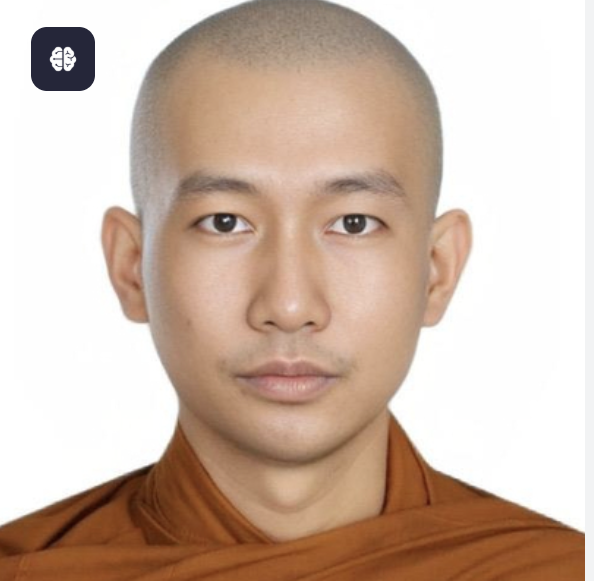
Founder, Director & Custodian
Venerable Sao Dhammasami
Bhikkhu Indasoma Siridantamahāpalaka
A Theravāda Buddhist monk, author, teacher, consultant and heritage researcher whose work stands at the meeting point of ancient insight and modern education. In addition to Buddhist archaeology, sacred relic custodianship and stūpa registry studies, he develops practical teaching systems for Abhidhamma, Dependent Origination and Vipassanā.
His educational work includes Foundational Cycle Training of Trainers in Thailand, Sri Lanka and India; curriculum and lesson-plan development; teaching methodologies; training observation and evaluation; educational administration; self-study publications; and Dhamma and Vipassanā guidance for teachers, communities and meditation settings.
His academic formation includes M.A. (Pāli) and Ph.D. (Thesis) in Peace Studies at the International Buddhist Studies College, Mahachulalongkornrajavidyalaya University. His public profile describes his method as translating profound teachings into plain-language maps, step-by-step practice and classroom tools that can be applied in everyday life.
Verified public biographyInstitutional leadership
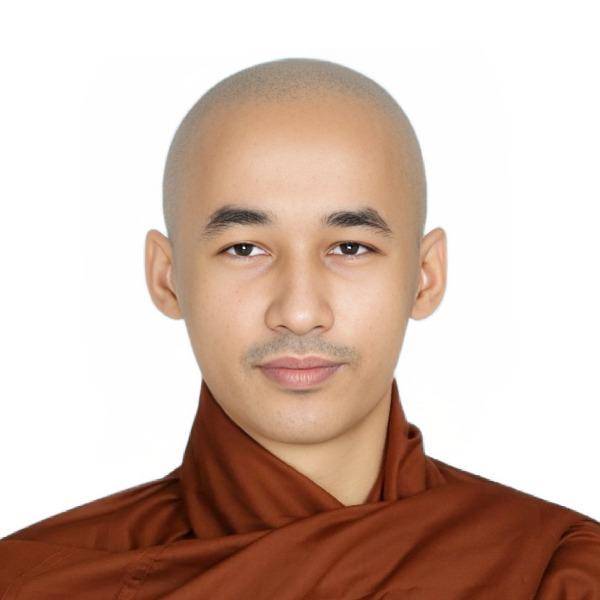
Venerable IndakaCo-Founder & Institutional Governance Reviewer
Oversight of institutional structure, policy alignment and publication governance.
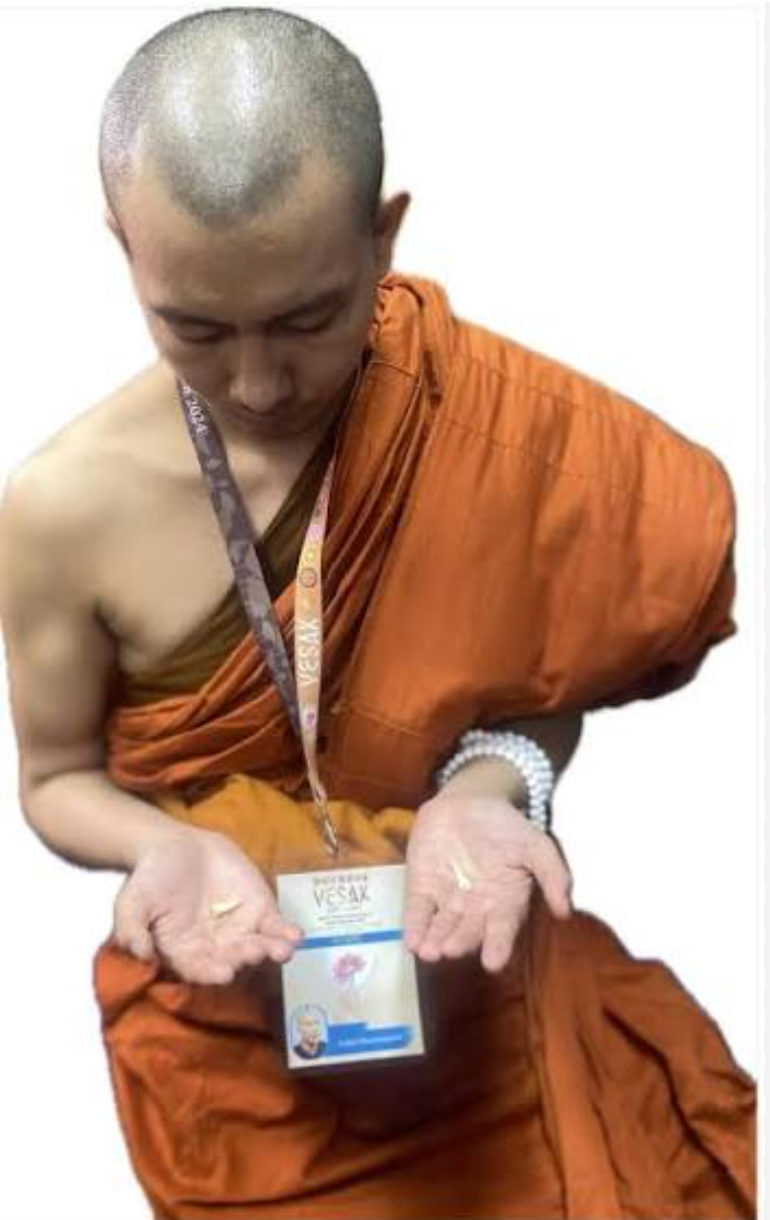
Activities & field stewardship
Sacred custody and education in practice.
This documentary photograph records the Founder’s active engagement with tradition-associated relic materials and public heritage activities. HSWAGATA preserves activity photographs as part of its institutional memory, educational work, international teacher training and custodial record.
External photo galleriesHSWAGATA Activities & Public Museum Profile
The continuously updated public sources document museum activities, heritage stewardship, educational programmes and institutional engagement.
Institutional structure
Clear responsibility.
Protected independence.
Founder, Director & Custodian
Governance & policyCollections & conservationResearch & publicationsEducation & engagementInternational relationsAdministration & records
Scholarly identity & profiles
Persistent academic connections.
The Museum and its principal researcher maintain public scholarly identifiers and external research profiles so that publications, affiliations and archival records remain discoverable and verifiable.
Personal researcher identifierORCID0009-0000-0697-4760Open profile Institutional identifierORCID0009-0004-8799-7014Open record Philosophy researcher profilePhilPeopleSao DhammasamiOpen profile Indexed works · ordered by viewingsPhilPeoplePublicationsView publications Research networkResearchGateResearch LabOpen lab Research directoryResearchIDSao DhammasamiOpen profile Official teaching and museum channelYouTubeHSWAGATA AcademyOpen channel Lectures, activities and video recordsYouTubeAll VideosWatch videos Complete research catalogueHSWAGATA ArchiveAll public recordsOpen archive ↗
0109 Aug 2026